Stilt Ponds – Learn MORE
Birds of the Firth of Thames
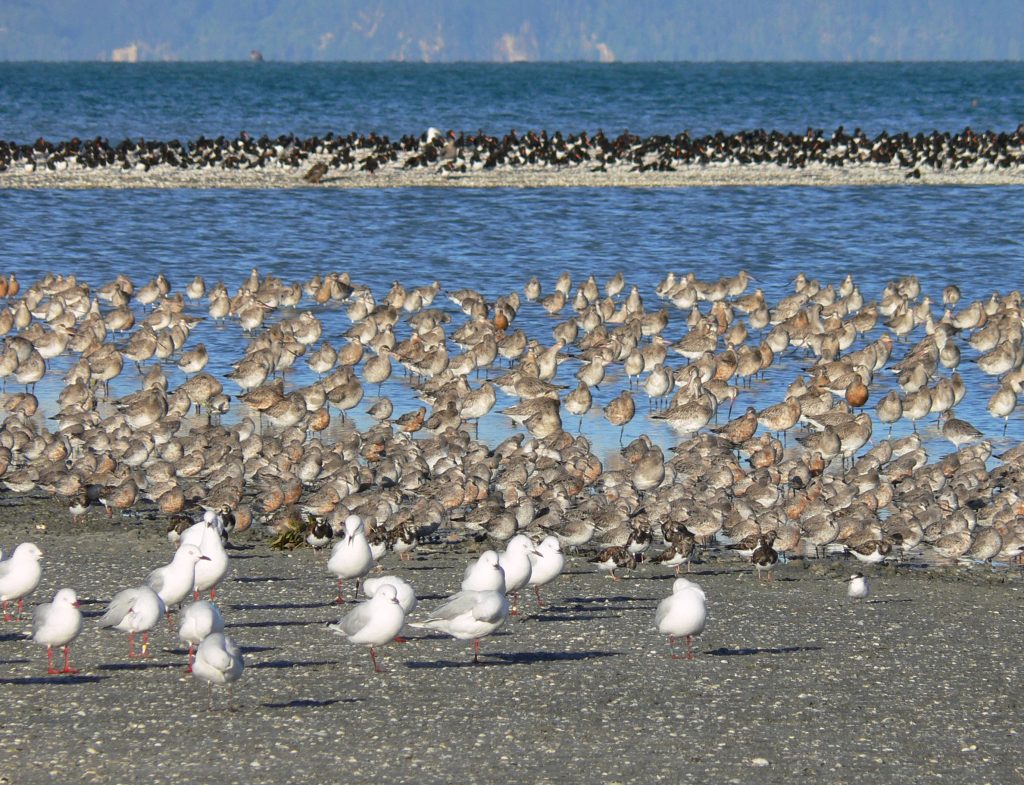
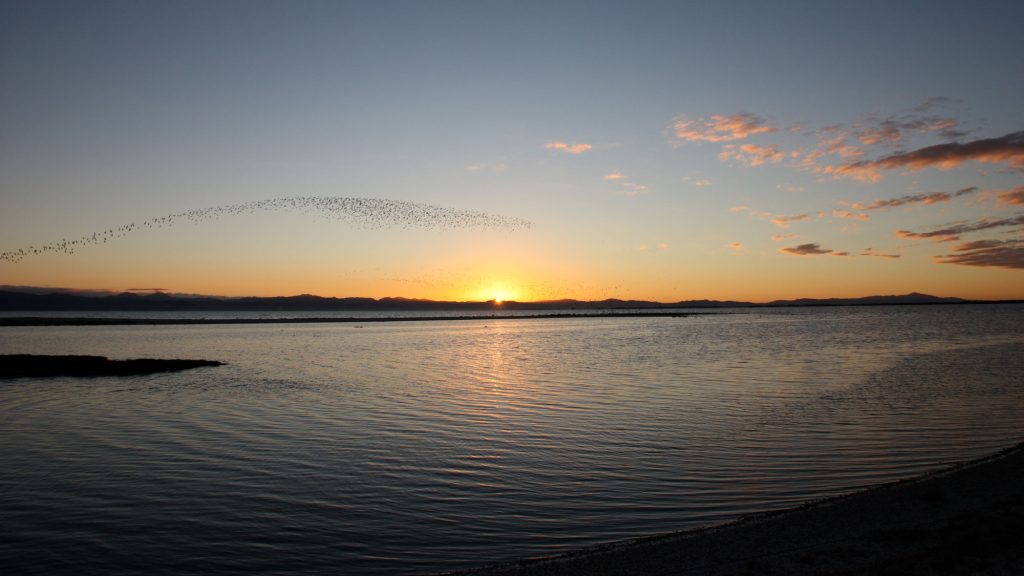
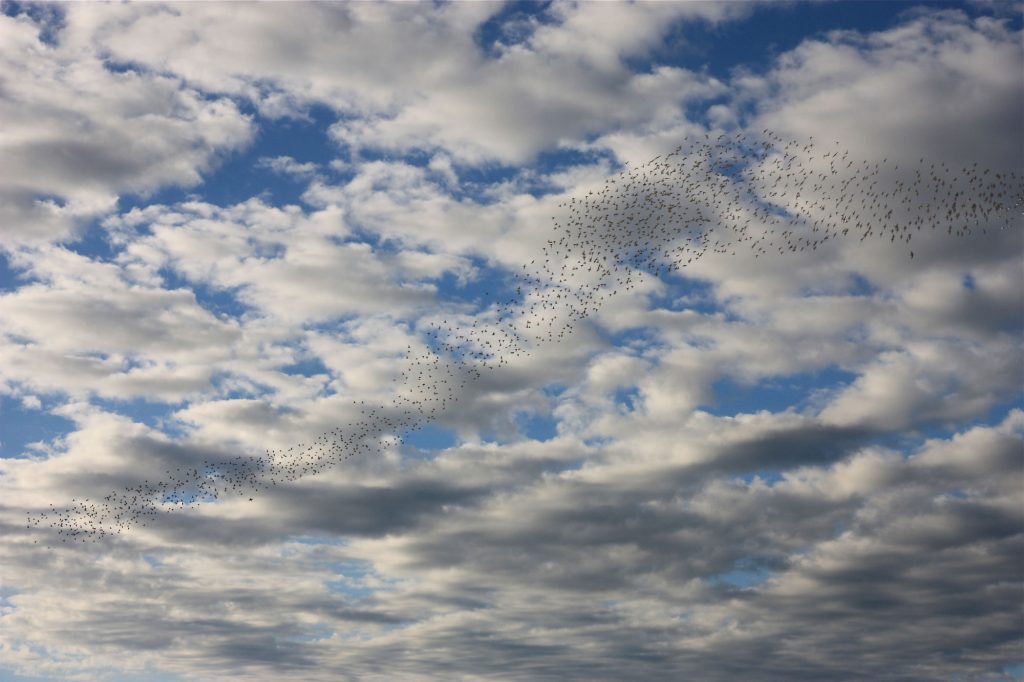
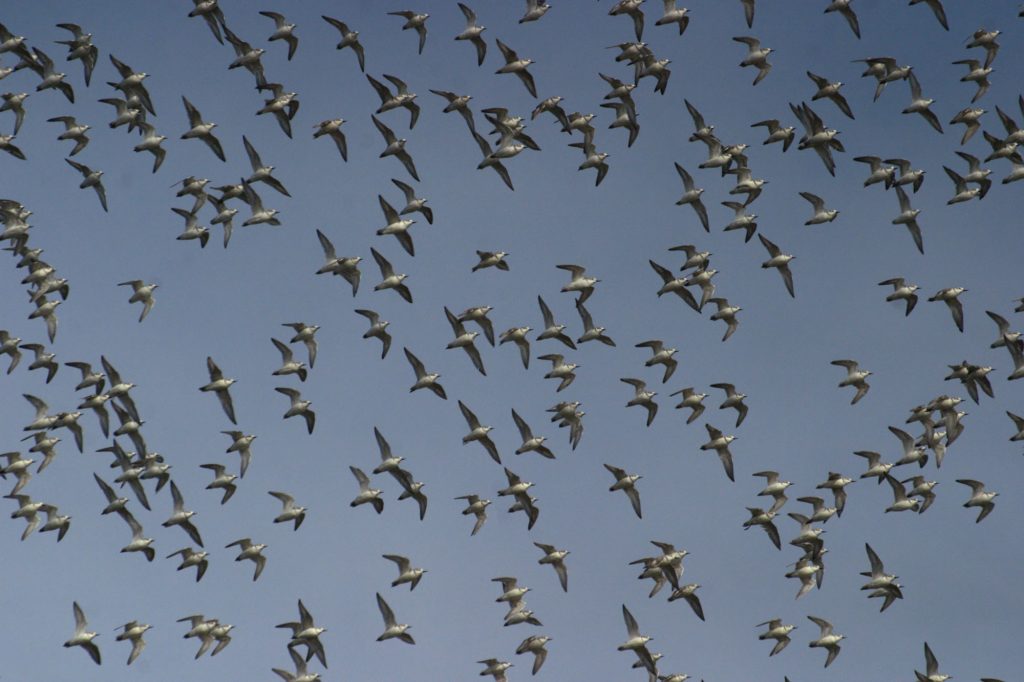
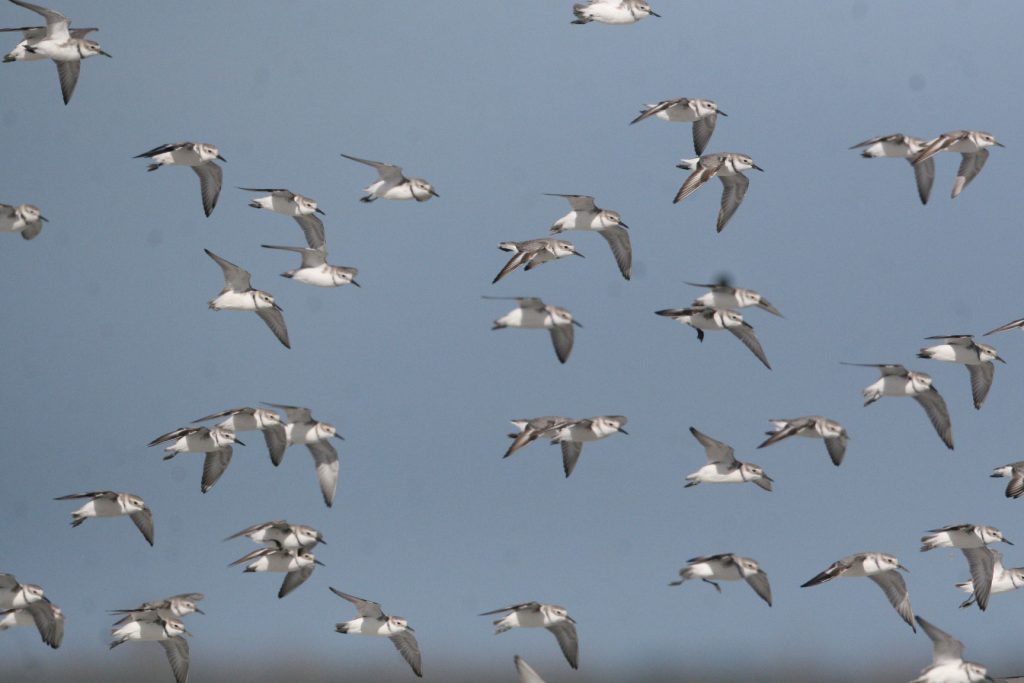
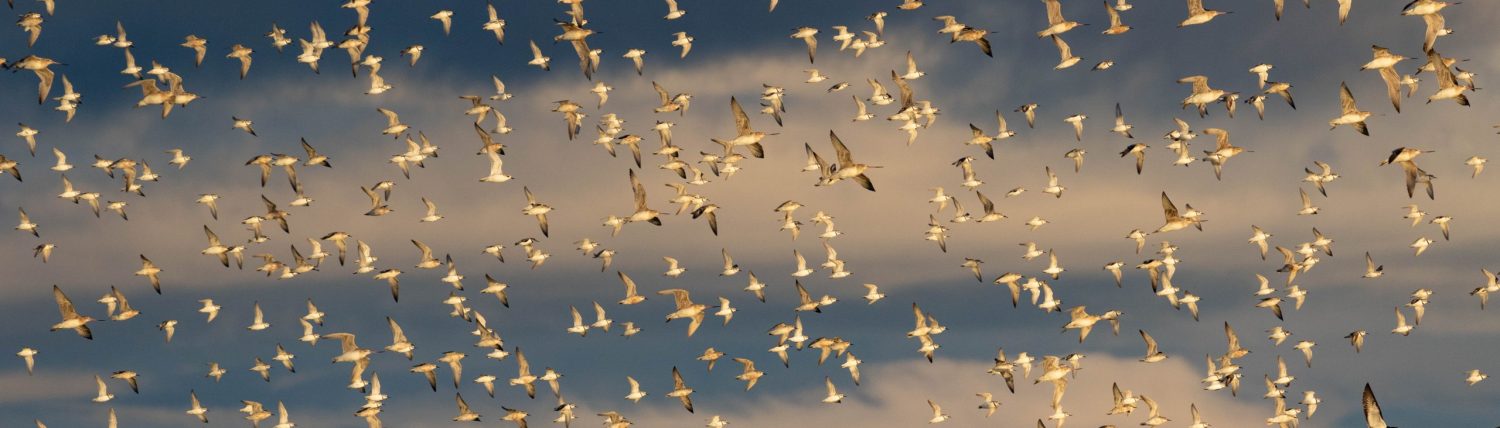
The Firth of Thames hosts c.20,000 shorebirds each year (mainly along the Pūkorokoro Coast and the wider Ramsar site extending further to the south and east). Of these, about 9,000 are Arctic breeders from Far Eastern Russia and Alaska.
Shorebirds are the dominant avifauna of the southern Firth of Thames, with 43 species recorded. In addition, three species of gull and at least seven species of tern have occurred here. The c.8,500 ha intertidal flats of the Firth provide foraging for internationally important numbers of birds, while adjacent shell ridges (cheniers), shallow pools, and other terrestrial areas provide high tide roost sites.
4.0 Stilt Ponds sign Shorebirds of the FOT
Shorebird Roost – Tidal Real Estate
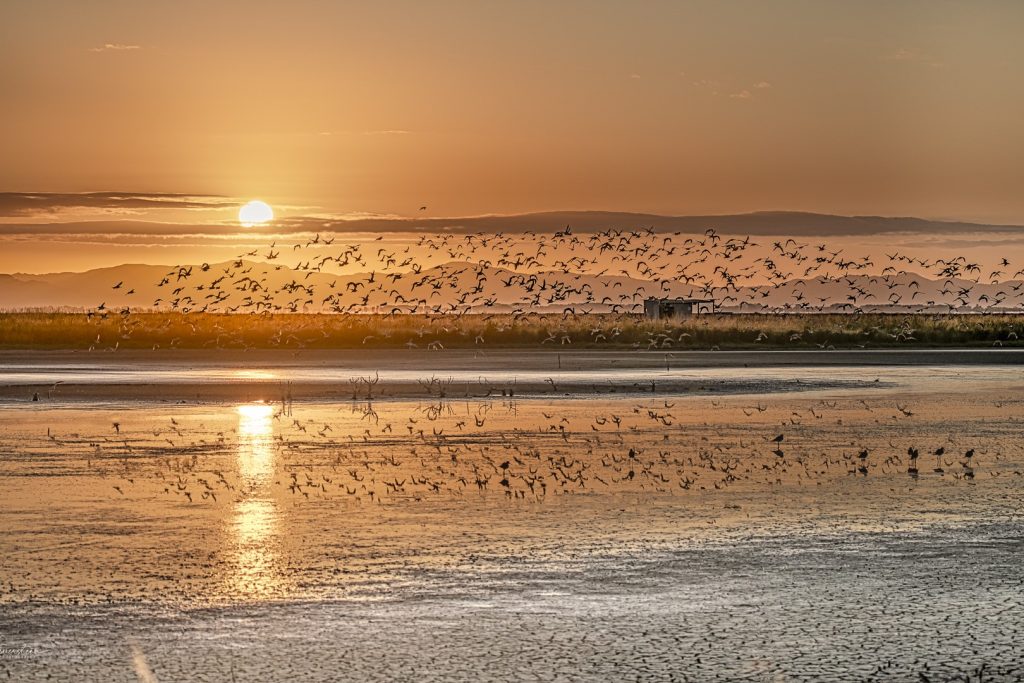
Most of the shorebirds at Pūkorokoro find their food out on the tidal flats. The wide diversity of creatures found in the mud – crabs, shellfish, worms, micro-organisms provide food for the thousands of birds scattered far and wide. But as the tide comes in the birds are forced to leave the flats. They lack both webbed feet and the enhanced waterproofing of water birds such as ducks, swans, and seabirds, which means they can only forage on the tidal flats during low water. At high tide they are pushed up onto the shore to roost, using this time for daily maintenance tasks such as preening and sleeping. There they wait for the tide to ebb. These roost sites are no less important than the places where birds forage. Both are essential shorebird habitat.
Read more: 4.1Stilt Ponds sign Tidal Real Estate.docx
WEBPAGE: