The Wry Arts
Wrybill as inspiration for artists
Flight sonified
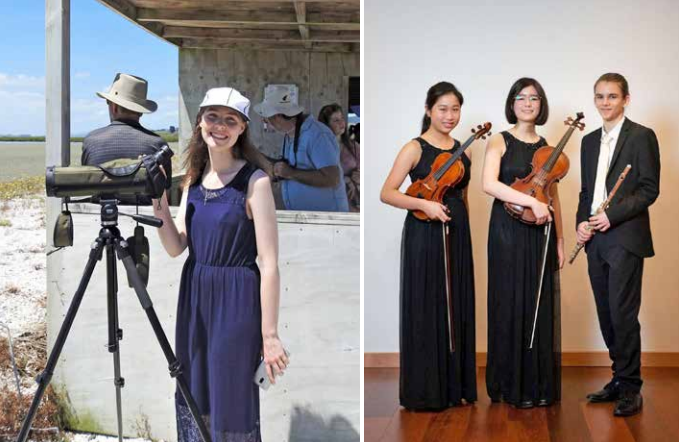
the Orbit trio which will play the piece for the first time. Photos / Ray Buckmaster, Auckland Philharmonia Orchestra [PMNT111]
At the Farewell to the Birds Open Day in March 2019, the Shorebird Centre hosted the world premiere of a music piece inspired by Wrybill. A performance by the Orbit trio – flutist, violinist and cellist – made up of talented young musicians from the Auckland Philharmonic Orchestra’s Young Achievers programme, performed a programme of classical music by some of the great composers, drawing enthusiastic applause. But the clear highlight was A Flung Scarf of Wrybill, inspired by the amazing aerial ballets performed by flocks of Wrybills above our mudflats, written for the occasion by the APO’s Young Composer in residence Kirsten Strom.
The beauty of her sweeping, soaring music, and the way it painted the Wrybills in sound, meant many in the audience had tears in their eyes when it ended, and the applause was tumultuous. When Kirsten stepped up to talk about her music and asked for questions, longtime PMNT member Gwenda Pulham sparked laughter and cheers when she asked, ‘Can we hear it again?’ It was obvious that was what everyone wanted and so Orbit played The Flung Scarf for a second time, and it sounded even better.
Link to the piece
Costumes & mascots
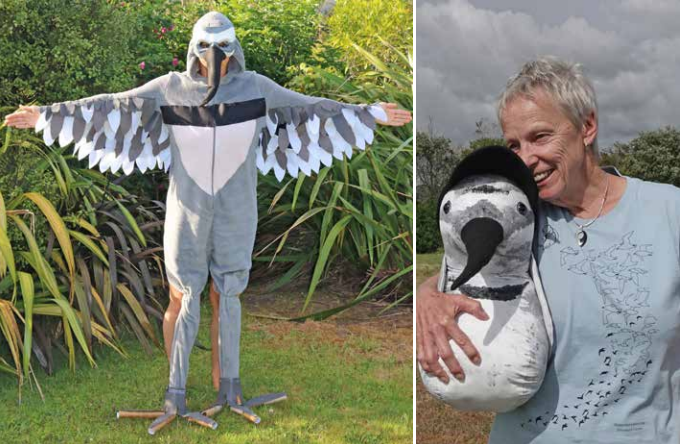
an aid to telling school pupils about these amazing birds; Ann Buckmaster wears one of the Year of the Wrybill shirts
she designed, while cuddling the campaign mascot, Riley Wrybill. Photos / Alex Eagles-Tully, Jim Eagles
Back up formatting only beyond here….
Breeding Habitat – Braided Rivers

Why Braided Rivers Matter:
These wide, shifting riverbeds are the only places wrybills can safely breed. But floods, predators, and land use changes wipe out nests every year. Floods they are used to, the other pressures not so much. Without safe breeding zones upstream, we lose them downstream.
Intertidal Mudflats – Winter Habitat
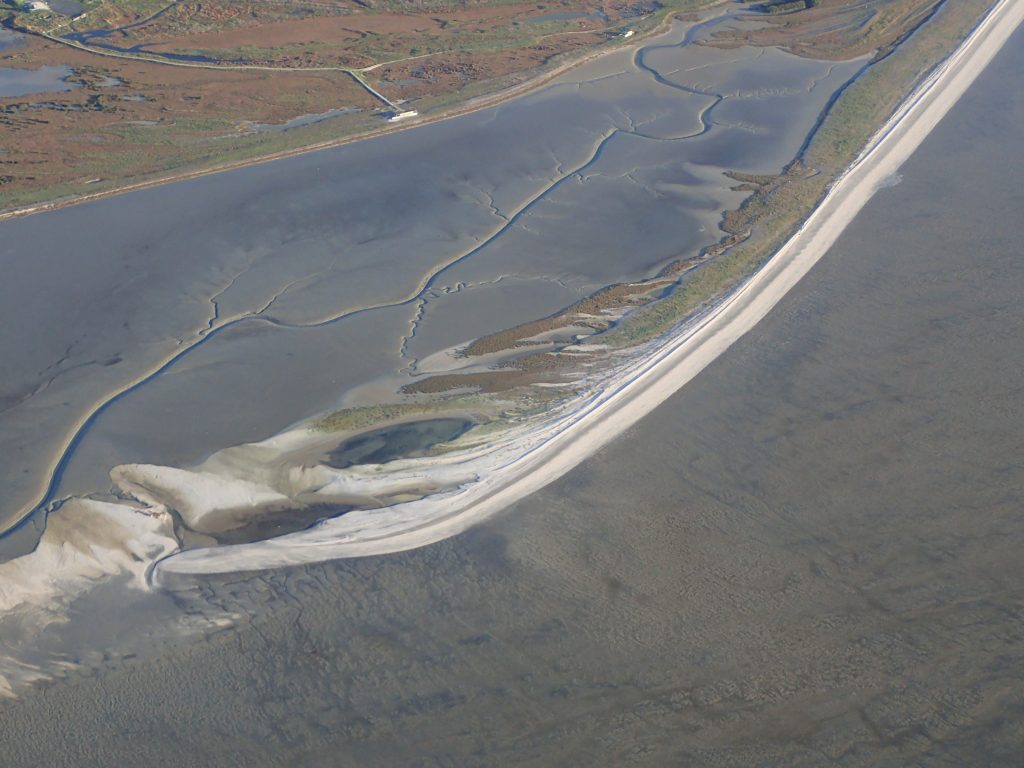
Why Mudflats Matter:
Pūkorokoro Miranda is one of their most vital stopovers. Without rich estuarine feeding grounds, these birds can’t make a living, or complete their journey back to the river beds to raise their chicks.
Why this bird, this campaign, and why now?
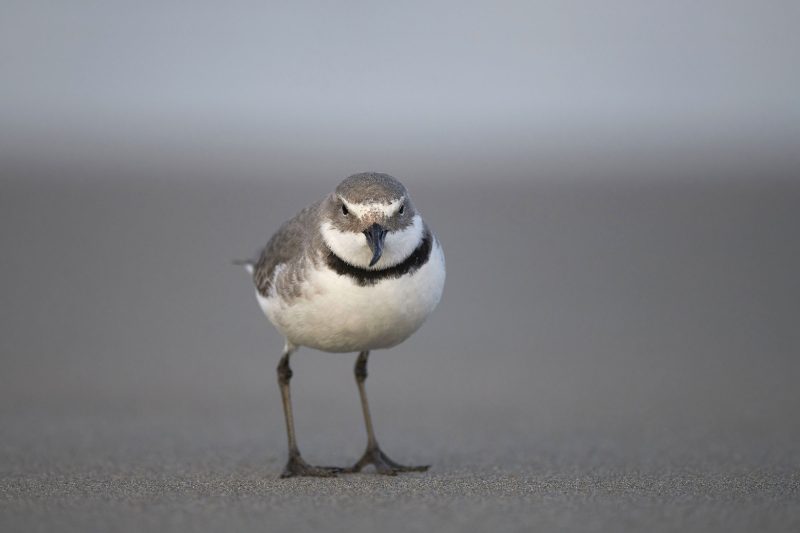
Photo credit: Nick Beckwith
50 years of protecting shorebirds — this year the Trust behind the Pūkorokoro Shorebird Centre celebrates its 50th anniversary. As we host roughly half of the Wrybill population in Winter, we want to use this milestone to draw attention to this beautiful tiny endemic bird that migrates within the country.
Bi-habitat national survival story — to complete its lifecycle this bird requires two dramatically different threatened ecosystems, one in the South Island and one in the North Island.
Tactical survival framing — Covert ops is a metaphor for their real-life, delicate, life-or-death fight for survival. Their nesting strategy is based on camouflage and cryptic behaviour.
Place-based environmental understanding — braided rivers are ecologically critical but not widely enough known. We also need to protect our estuaries and tidal flats. It is important to talk not only about the bird, but the entire ecosystem.
How you can help
- Vote for the Wrybill: (link live from Sept 15)
Voting opens: Monday, September 15
Voting closes: Sunday, September 28 - Tell a friend or neighbour – many people have never heard of this amazing little bird!
- Print or share a poster in your local café, shop, or library:
(link coming soon)
Sign up to our newsletter for updates and learn more about the Wrybill’s incredible journey.
Support our work to protect nesting sites on braided rivers and feeding grounds at Pūkorokoro