Goldie is our Pacific Golden Plover, the Kuriri, the fourth most common of the Arctic migrants that visit us each summer, and probably the most beautiful. But Goldie has a problem. The number of Pacific Golden Plovers arriving in New
Where’s Goldie?
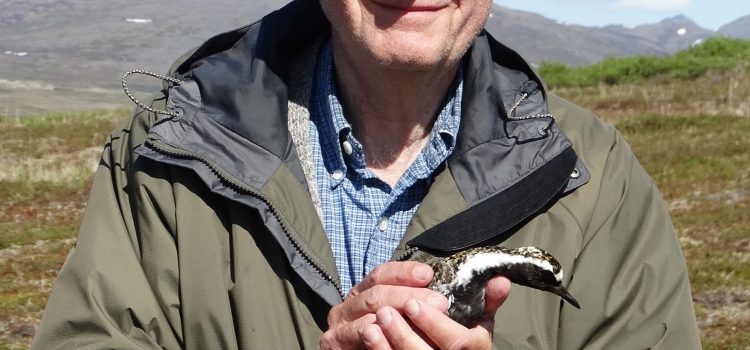
Goldie is our Pacific Golden Plover, the Kuriri, the fourth most common of the Arctic migrants that visit us each summer, and probably the most beautiful. But Goldie has a problem. The number of Pacific Golden Plovers arriving in New
There was bad news – but possibly also a silver lining – from Australasian Bittern researcher Emma Williams when she addressed the mid-winter potluck dinner: bitterns, she told members, were about to be upgraded from ‘nationally endangered’ to ‘nationally critical’.
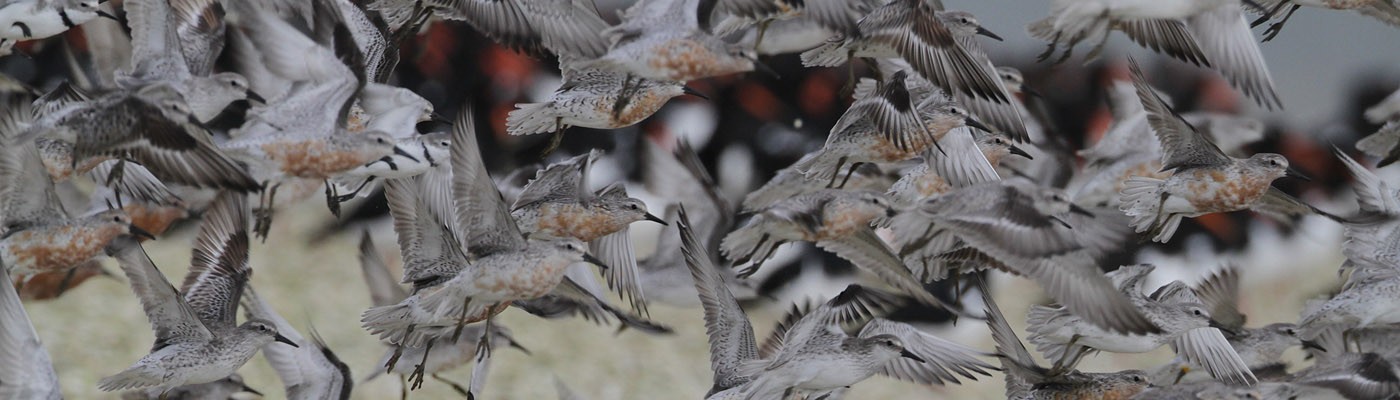
The Red-necked Stint is often overlooked because it is our smallest Arctic migrant about the size of a sparrow. But, as Rachel Hufton reports, it is well worth looking for. Amid the magnificent flocks of Bar-tailed Godwits, Red Knots and
Best bird watching is two hours either side of high tide. Migrants and Vagrants 110 Bar-tailed Godwit 17 Red Knot 3 Ruddy Turnstone 2 Black-tailed Godwit 2 Northern Shoveler 1 Pacific Golden Plover 1 Eastern Curlew 1 Whimbrel NZ Species 2700
Best bird watching is two hours either side of high tide. Migrants and Vagrants 110 Bar-tailed Godwit 17 Red Knot 3 Ruddy Turnstone 2 Northern Shoveler 1 Pacific Golden Plover 2 Black-tailed Godwit 1 Eastern Curlew 1 Whimbrel NZ Species 2700
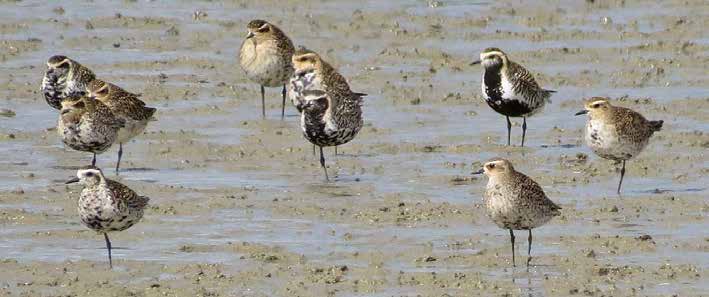
The number of Pacific Golden Plover seen at Pūkorokoro-Miranda this summer may be the most ever recorded here, a development which will hopefully help inspire more research on where they come from, writes Jim Eagles. As we wandered from
If you are familiar with the natural features of the Pukorokoro Miranda coast and you are remembering your visits here, what is the first image that springs to mind? The shell banks per.haps? The massed flocks of godwits and what
The census on the 24th June 2018 revealed we have 2,700 Wrybill here on the shellbank and another 900 in the Firth of Thames. That’s over 65% of the estimated Wrybill population. Sighting of 2 male Northern Shovellers inside the
PMNT’s groundbreaking work to locate – and consequently seek to protect – the roosts around the Yellow Sea vital to our migratory shorebirds has just taken two huge steps forward. One team of observers has just returned from North Korea
For several years now PMNT has been involved in shorebird surveys in the Yellow Sea region, but this year’s work took on a slightly different angle. As well as completing bird counts, we wanted to try to answer the